
Hazell Forums Summit-2026
Exploring Addiction, Trauma and Innovation in Private Mental Health and Addiction
2- Day Conference
14-15 Belgrave Square, London, SW1X 8PS
Thursday 14th May - Friday 15th May 2026
This event is designed for mental healthcare professionals.
General Information
The Hazell Forums Summit 2026 is a two-day conference shaped by research, frontline realities, and direct feedback from clinicians, providers, and people with lived experience. We’ve listened closely to what the sector is grappling with most right now and built a programme that reflects the urgent, overlapping challenges of mental health, addiction, and trauma. Across both days, the Summit brings together evidence-based practice, lived experience, and practical discussion to explore what’s working, what’s changing, and what needs to happen next.
- CBD, “Safer” Cannabis & Clinical Realities
- Cultural Differences in Treatment-A Panel Discussion
- Workshops-Topics to be announced
- Nick Hazell and Judith Mohring
- “Creating Optimal Sleep, Rest & Recovery”
- Tony Goldstone-GLP-1 & Addiction: Continuing the Conversation
- Ketamine: Young People, Risks and Real‑World Practice
- Trauma on the Stand: Navigating Therapy, Law and the Family Court
- Workshops-Topics to be announced
- Shame and Addiction
- Speed Networking
What To Expect
Real-World, Expert-Led Sessions
Hear frontline perspectives from psychiatrists, legal experts, and people with lived experience. Topics are grounded in current realities from evolving substances and treatment models to trauma-informed care and complex comorbidities.
Workshops – New This Year
Go beyond lectures. Join interactive workshops designed to encourage dialogue, challenge assumptions, and share practical strategies across addiction and trauma care.
Collaboration Across Sectors
Connect with healthcare professionals, therapists, service leaders, marketers, and legal practitioners because meaningful progress requires cross-sector collaboration.
Future-Focused Outlook
Whether navigating shifting treatment landscapes, emerging substances, or evolving understandings of trauma and recovery, you’ll leave with fresh perspectives, practical tools, and valuable connections.
Join us at Hazell Forums Summit 2026 as we confront today’s most pressing addiction and trauma challenges—and work together to shape a more effective, compassionate future of care.
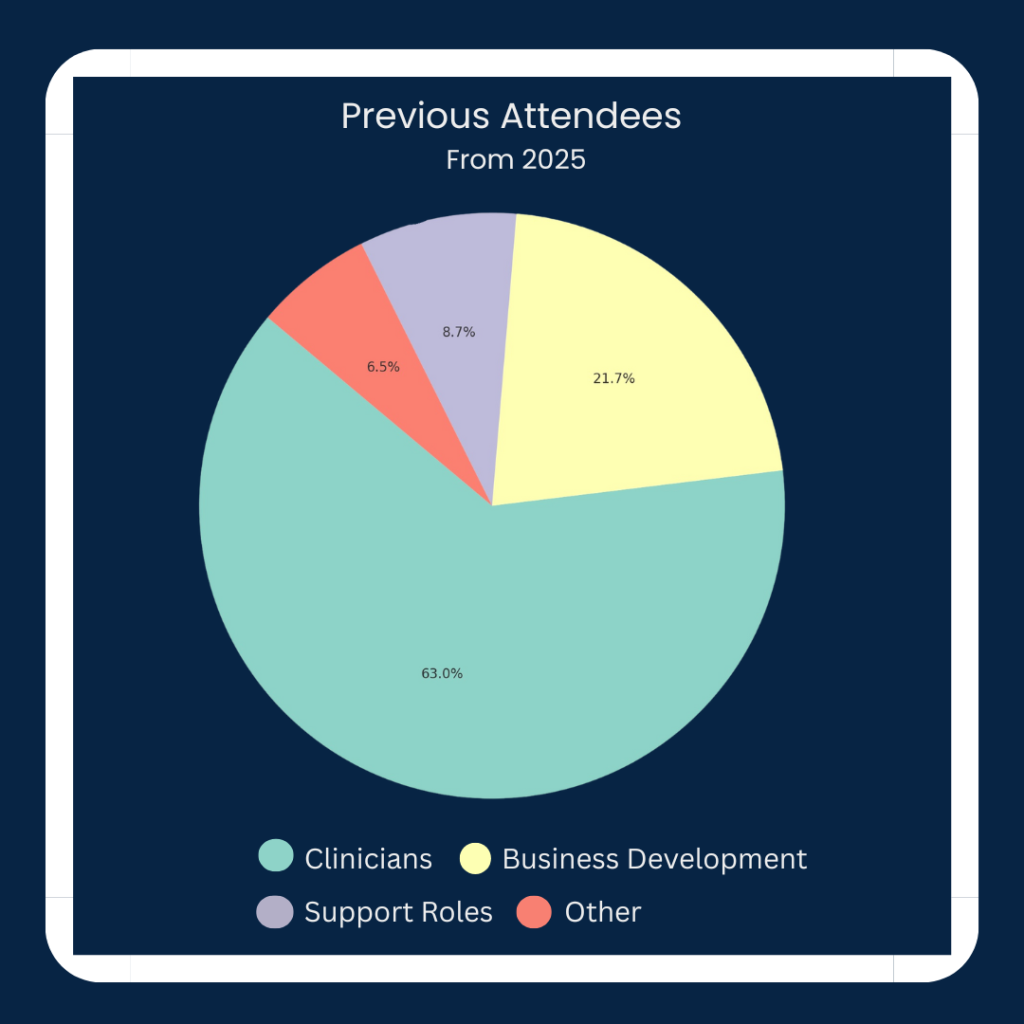
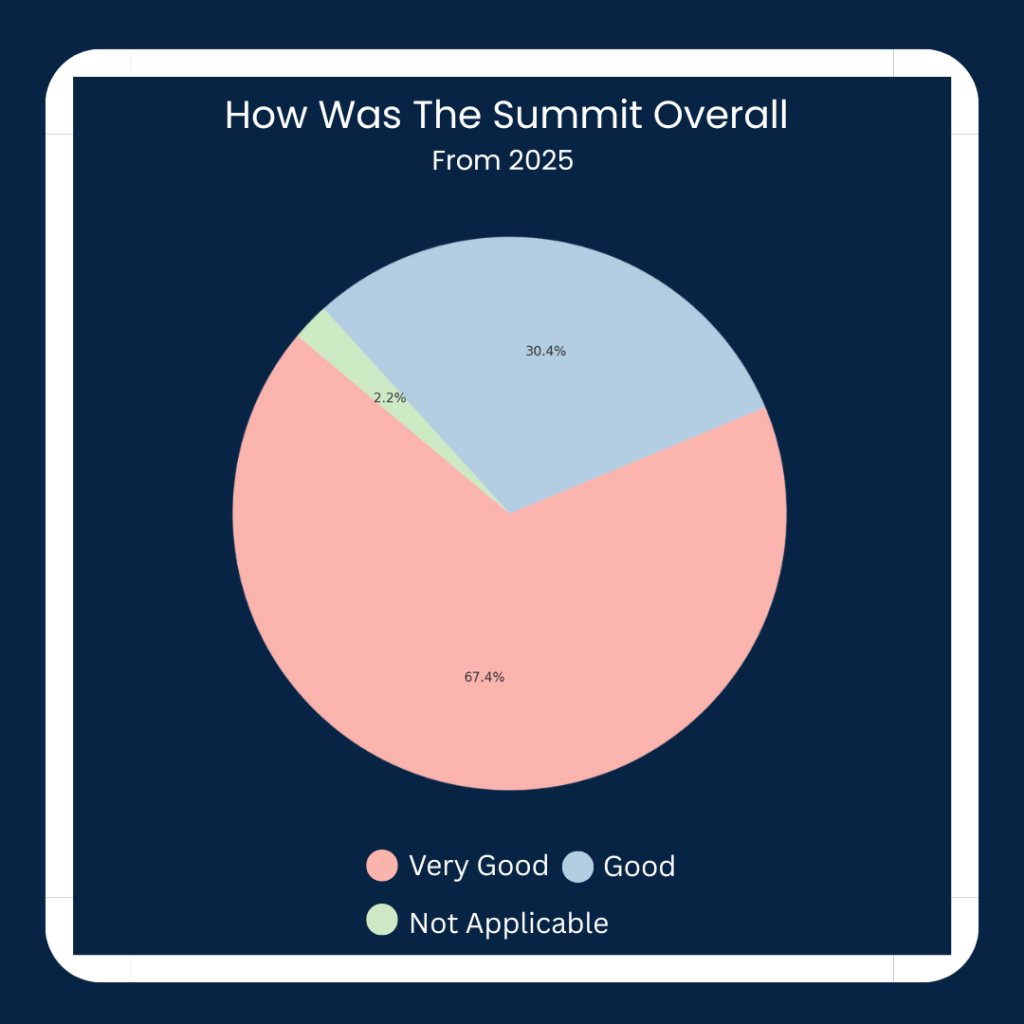
Our Summit in Numbers:
Testimonials


Why Attend?
Meet the Speakers
Connect with renowned industry leaders sharing their insights and expertise to inspire and empower you.
Expand your network
Forge meaningful connections with like-minded professionals through curated networking opportunities
Learn from experts
Gain actionable knowledge from specialists at the forefront of mental health, and other sectors.
Join our community
Become part of a warm, ethical network dedicated to improving patient outcomes and practice growth.
Our Hazell Forums Summit welcomes all professionals in the mental healthcare industry, creating a supportive space for learning, collaboration, and ethical growth. Whether you’re a psychologist, psychiatrist, counsellor, clinic manager, or business development specialist, your expertise is valued here.
This is your opportunity to engage with forward-thinking peers, explore innovative practices, and gain actionable insights into balancing patient care with sustainable business development.
AGENDA
2026 Subjects
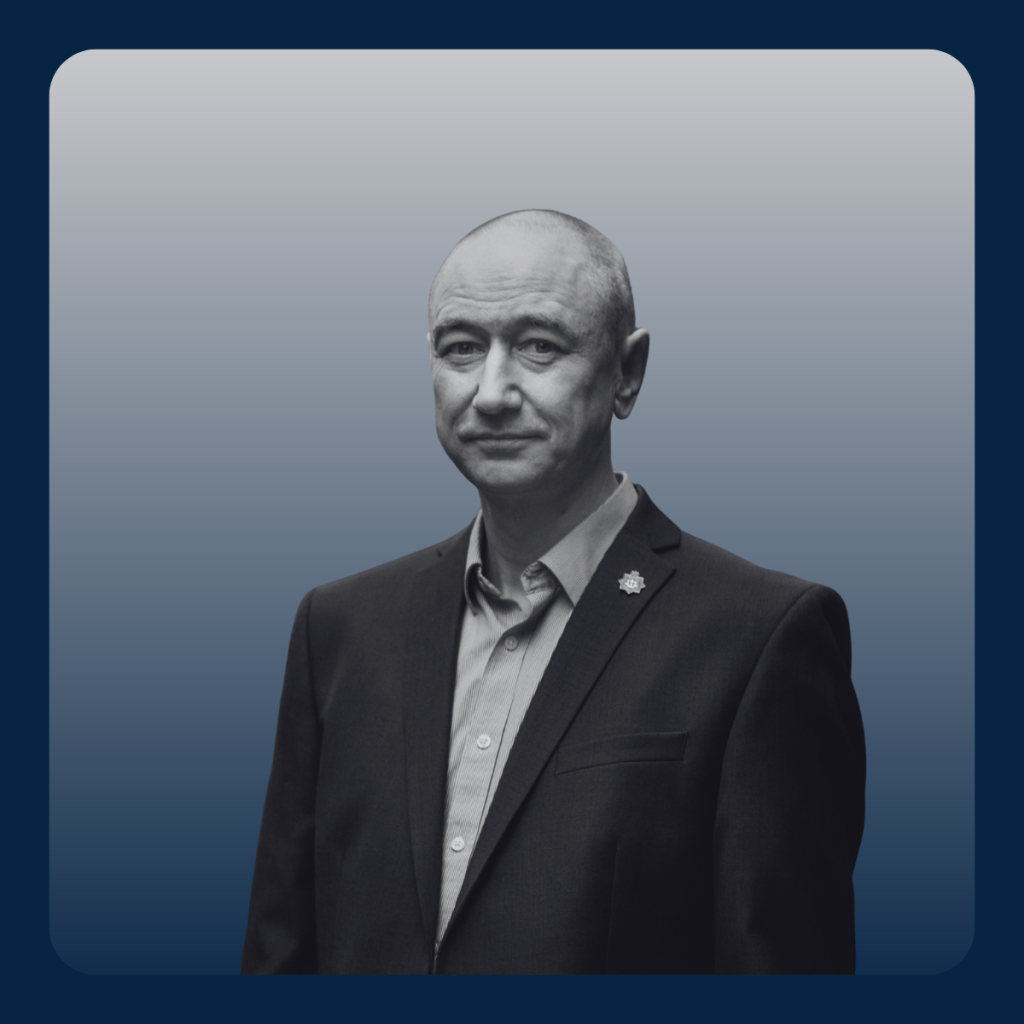
Neil Woods
Former UK police officer and undercover drugs operative
"Drug Wars and addiction, an Undercover Cops Perspective"
Drug War and Addiction, An Undercover Cops Perspective
Neil Woods worked undercover amongst some of Britains mist dangerous organised crime gangs. His experiences and subsequent research had led him to believe that we should reclaim our drug policy heritage. We should learn the lessons of The British System, not just to save lives but also to reduce crime and protect our young from exploitation.
He worked undercover between 1993 and 2007 befriending and gaining the trust of some of the most violent, unpredictable criminals in Britain.
With the insight that can only come from having fought on its front lines, Neil came to see the true futility of the War on Drugs – that it demonises those who need help, and empowers the very worst elements in society.
Neil is a board member of the Law Enforcement Action Partnership (LEAP)in the USA, and in the U.K. (LEAP UK).
LEAP is a growing international organisation that advocates an evidence based drug policy and related criminal justice reforms. The group is made up entirely of serving and former police and other law enforcement.
Tony Goldstone
Consultant Endocrinologist and professor in Neuroendocrinology
"The Future Potential of GLP-1 Analogues in the Treatment of Addiction."
"The Future Potential of GLP-1 Analogues in the Treatment of Addiction."
Bio:Dr. Tony Goldstone is a Clinical Associate Professor in PsychoNeuroEndocrinology at Imperial College London and a Consultant Endocrinologist at Imperial College Healthcare NHS Trust. His internationally recognised experimental medicine research examines body-brain interactions in the regulation of eating and addictive behaviours, including examining the effects of gut hormones and obesity surgery, and using functional neuroimaging. Dr. Goldstone has run the “Gut Hormones in Addiction” (GHADD) study, investigating whether manipulating gut-brain signals including GLP-1 has the potential to reduce relapse in individuals with substance use disorders by altering addictive behaviours. His research uniquely bridges endocrinology, psychiatry, neuroscience and real-world clinical practice with an ability to translate emerging science into practical strategies for treating addiction and obesity. His public engagement work includes talks and panel discussions such as ‘Ozempic Nation’, British Library Food Season 2025; “Weight Loss or Wonder Drug”, Cheltenham Science Festival, 2025; and TV/radio programmes, including BBC Scotland ‘Addicted to Pleasure’, BBC2 Horizon `Why are we getting so fat?, BBC1 The One Show ‘The science of being hangry’, Medical Minefields podcast, BBC Radio 4 Today, In Health; and his work is featured in a new book by Julia Belluz and Kevin Hall, ‘Food Intelligence: The Science of How Food Both Nourishes and Harms Us’. Website: https://profiles.imperial.ac.uk/tony.goldstone
Synopsis: In this session, Dr. Tony Goldstone will delve into the emerging science surrounding GLP-1 analogues – medications initially developed for diabetes and obesity – and their promising role in treating addiction. He will discuss how GLP-1-based therapies can influence cravings, reward pathways, and relapse prevention, drawing from pioneering studies on gut-brain signaling and real-world clinical observations. Attendees will gain a practical overview of the current evidence, theoretical mechanisms, and early clinical experiences, as well as an honest reflection on the opportunities and challenges these therapies present for practitioners in addiction medicine, psychiatry, and metabolic health. This talk will offer clinical insights and a forward-looking perspective on this rapidly developing field.
Laura Rosefield and Hannah Budd
Founders of Rosefield Divorce Consultancy
“Trauma in the Courtroom: The Role of Trauma in Family Law Cases”
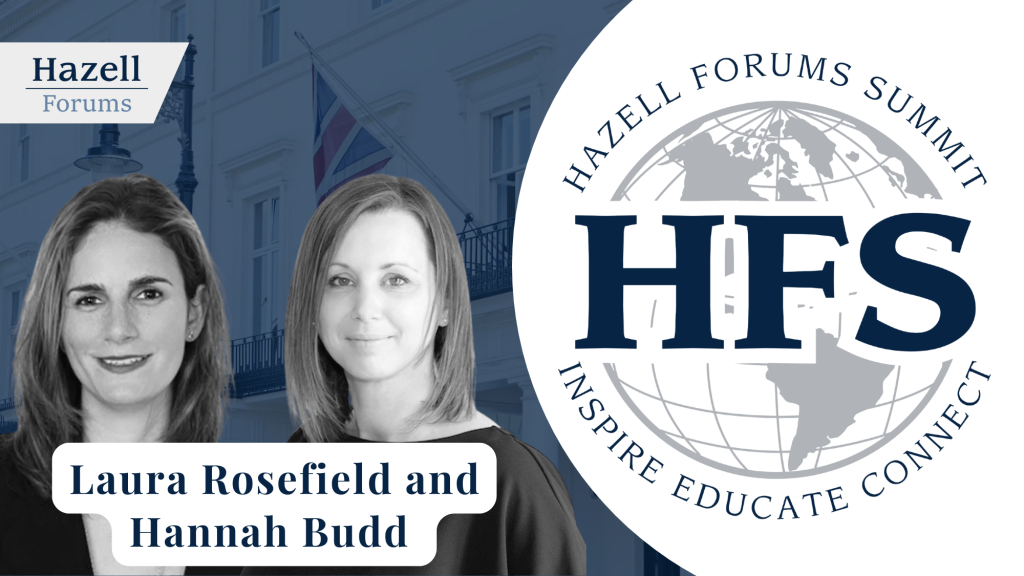
"Trauma in the Courtroom: Invisible Wounds, Legal Consequences"
Laura Rosefield: Laura is a former criminal barrister and founder of Rosefield Divorce Consultancy. Drawing on extensive courtroom experience and her own journey through divorce, she supports individuals navigating family court with clarity, confidence, and emotional resilience. Laura is a Cambridge graduate, a member of Resolution, and a Family Ambassador for Support Through Court, with a strong focus on protecting children and improving outcomes for families in high-conflict proceedings.
Hannah Budd: Hannah is a former family law partner and co-founder of a boutique family law firm, with over 15 years’ experience exclusively in family law. She now works as a divorce consultant, combining legal expertise with practical and emotional support to help clients navigate separation with clarity and confidence. A Top Recommended practitioner in the Spears 2024 Divorce Consultancy Index, Hannah is a member of Resolution, a judge for the LexisNexis Family Law Awards, and is trained in child psychology and trauma, ensuring her work remains child-centred and psychologically informed.
Synopsis: Recent research suggests that around half to nearly two-thirds of private family law cases in England and Wales involve allegations or findings of domestic abuse (Domestic Abuse Commissioner & Ministry of Justice, 2023; Women’s Aid, 2023). This means that a significant proportion of people entering the family courts are already traumatised before proceedings even begin. 93.5% barristers and solicitors in England & Wales said they work with traumatised people, but only 8.7% have attended trauma-informed practice training.
Family court proceedings can be deeply destabilising for the very people they are intended to protect. For clients navigating trauma, the courtroom often becomes a place where:
• Therapeutic principles collide with legal realities
• Emotional regulation is challenged under intense scrutiny
• Professionals across disciplines struggle to align their support
• Trauma is perpetuated and worsened by the litigation (or mediation)
In this session, Laura and Hannah, lead a powerful, practical exploration of the intersection between trauma, therapy, and the family court process. The session will:
• Frame the systemic disconnect between legal obligations, judicial expectations and therapeutic professions
• Explore the pressure points in family law which can exacerbate trauma
• Examine how recent legislative frameworks including the Domestic Abuse Act 2021, Practice Direction 12J and the use of “special measures” intersect with trauma-informed care
• Draw on real-life experiences from both disciplines
• Highlight how gaps in understanding can inadvertently place clients at greater risk
• Discuss how clearer cross-disciplinary communication can reduce harm
• Suggest ways professionals can deliver more consistent, client-centred support
A central feature of the session is a live cross-examination demonstration, designed to show the emotional and psychological impact of giving evidence in family court even for confident, articulate individuals.
This session is designed for therapeutic and other professionals working with individuals, children and families going through divorce, separation or any family law proceedings, who want to deepen their understanding of the intersection between trauma, therapy and family law in order better to support vulnerable clients. Such collaborations can improve both clients’ experiences of the family court and also the outcomes of their cases.
Dr Amir Englund
Research Fellow
“Cannabis, Psychosis and Addiction. What You Need to Know"
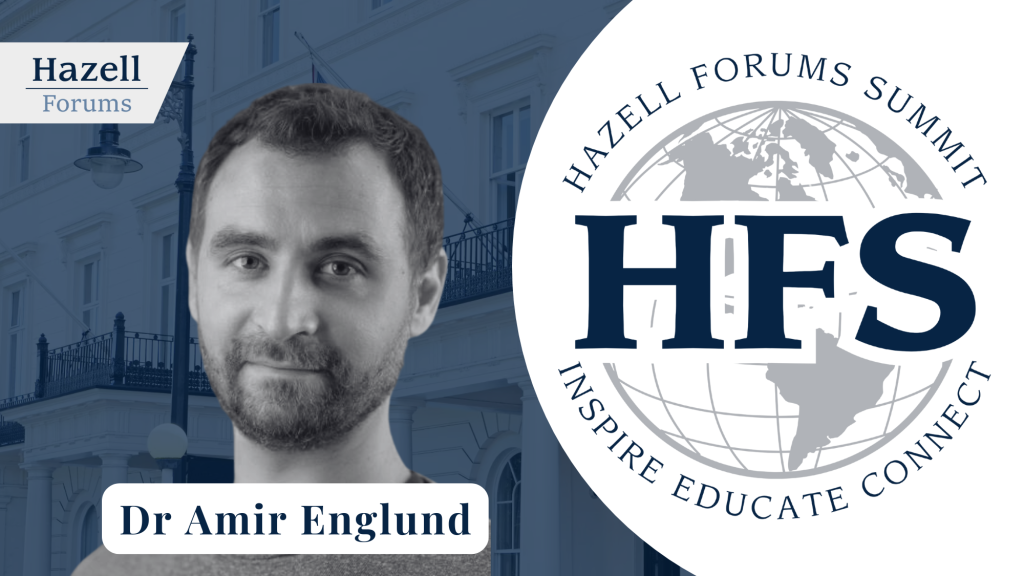
“Cannabis, Psychosis and Addiction. What You Need to Know"
Synopsis: This lecture will take the listener through the fundamentals of the active compounds of cannabis and how they relate to the effects of cannabis in humans when consumed – including different products and routes of administration. It will discuss the interplay between cannabis use, and other risk factors in the emergence of mental health conditions such as schizophrenia. Furthermore, there is a growing need to address cannabis addiction, or Cannabis Use Disorder as it is formally known. I will discuss its’ core features and risk factors.
Carolyn Cowan
Psychotherapist, Author and Leading Online Educator
"My Approach to Shame, Addiction and Trauma"
“Exploring the Link Between Shame, Trauma, and Addiction”
Bio: Carolyn Cowan is a Psychosexual and Relationship Psychotherapist specialising in shame, trauma, addiction, and relational dynamics. She runs a private psychotherapy practice in London, working with individuals and couples around issues of intimacy, compulsive behaviours, attachment, and identity.
Carolyn trained in Psychosexual and Relationship Therapy (London Diploma), followed by a Postgraduate Diploma in Advanced Couples Work and a Postgraduate Diploma in Trauma Therapy with the NAOS Institute. Her clinical approach is grounded in an embodied understanding of shame and trauma, focusing on how shame shapes cognition, behaviour, emotional regulation, and relational patterns.
She is the author of Shame: The Path Out of Hell, a clinically informed exploration of shame as a core driver of psychological distress and addictive processes, and of the pathways toward repair, agency, and relational safety.
In addition to her private practice, Carolyn provides specialist training in the treatment of drug and alcohol addiction, sexual compulsion, compulsive pornography use, gambling, and self-harm. Through her Mastering the Addictive Personality teacher training programme, she certifies practitioners to work in prisons and rehabilitation settings.
Carolyn is a member of the College of Sexual and Relationship Therapists (COSRT) and is accredited by the National Counselling & PsychotherapySociety (NCS).
Synopsis: Much of the trauma conversation has rightly focused on the profound psychological and physiological after-effects of traumatic experience. In this talk, Carolyn Cowan explores what often sits beneath and alongside trauma: shame.
Drawing on clinical practice, Carolyn examines how shame operates as a powerful but frequently unrecognised driver of addiction, compulsion, self-loathing, and relational disconnection. Shame is explored not simply as a secondary emotion, but as an organising force that shapes identity, behaviour, and patterns of attachment, often sustaining cycles of harm long after the original trauma has passed.
Shame is a complex, private, and often hidden emotional state. It can be weaponised through trauma, turned inward as self-attack, or played out interpersonally through withdrawal, control, or relational rupture. By helping clients recognise how shame is functioning in their inner and relational worlds, new pathways to recovery can emerge, supporting movement away from compulsive behaviours, emotional isolation, and chronic loneliness, and toward greater agency, intimacy, and psychological freedom.
Dr Sally Morrison-Griffiths
Specialty Doctor in Addiction Medicine | GP | Forensic Medical Examiner
"Lessons Learned from Delivery of Ketamine Treatment"
'Lessons Learned from Delivery of Ketamine Treatment'
Bio: Dr S. Morrison-Griffiths is a Specialty Doctor at Change Grow Live (CGL) with extensive experience in addiction medicine, primary care, and substance misuse services. With a career spanning the NHS, community treatment services, and international healthcare settings, she has held senior clinical and leadership roles including Associate Medical Director at Addaction and GP with a Special Interest in Substance Misuse.
Dr Morrison-Griffiths has contributed widely to research, education, and clinical innovation in addiction and public health, with publications in journals including The Lancet and Chest. She has presented at numerous national conferences and is a certified trainer for the Royal College of General Practitioners in the management of drug misuse. Her work bridges clinical care, research, and policy to improve treatment outcomes for individuals affected by substance use disorders.
Synopsis: Ketamine use is rising rapidly across the UK, seeing an alarming increase in referrals linked to severe physical and psychological harm. What was once considered a “party drug” is now presenting addiction and mental health services with complex, and often devastating, clinical challenges.
In this session, Dr Sally Morrison-Griffiths will provide a clinical overview of ketamine use, exploring the drug’s pharmacology and the growing body of evidence around its physical and mental health consequences. Drawing on current research and national data, she will outline the scale of the issue and why clinicians across multiple disciplines need to be paying attention.
Cheryl Williams, Head of Service at Adferiad, will then bring the conversation to the frontline. Working directly with individuals entering detox and rehabilitation services, and through community initiatives such as weekly drop-ins in North Wales, Cheryl will share the hard-won lessons emerging from real-world treatment settings. From managing complex pain during recovery, to witnessing the profound impact ketamine is having on young people’s health and futures, she will highlight the uncomfortable truths services are beginning to confront.
Combining clinical insight with lived realities from treatment services, this session will explore what the current ketamine crisis is teaching us and what the sector must do next.
Cheryl Williams
Head Of Service at Adferiad
"Lessons Learned from Delivery of Ketamine Treatment"
'Lessons Learned from Delivery of Ketamine Treatment'
Bio: Cheryl is the Head of Service for Gambling-Related and Ketamine Harms at Adferiad, where she leads strategic and operational efforts to support individuals affected by ketamine addiction and gambling-related harms. With a background in mental health, substance misuse, and addiction services, Cheryl has dedicated her career to working with some of the most vulnerable and marginalised populations in Wales.
She is passionate about person-centred recovery and champions a holistic approach that addresses the complex interplay between gambling, mental health, and substance use. Cheryl is a vocal advocate for the expansion of high-quality, trauma-informed rehabilitation services and works tirelessly to ensure that support is accessible, inclusive, and responsive to the needs of diverse communities.
Cheryl is also lead at House of The Vivienne – a drop in centre for Ketamine-Related issues in Colwyn Bay, North Wale
Synopsis: Ketamine use is rising rapidly across the UK, seeing an alarming increase in referrals linked to severe physical and psychological harm. What was once considered a “party drug” is now presenting addiction and mental health services with complex, and often devastating, clinical challenges.
In this session, Dr Sally Morrison-Griffiths will provide a clinical overview of ketamine use, exploring the drug’s pharmacology and the growing body of evidence around its physical and mental health consequences. Drawing on current research and national data, she will outline the scale of the issue and why clinicians across multiple disciplines need to be paying attention.
Cheryl Williams, Head of Service at Adferiad, will then bring the conversation to the frontline. Working directly with individuals entering detox and rehabilitation services, and through community initiatives such as weekly drop-ins in North Wales, Cheryl will share the hard-won lessons emerging from real-world treatment settings. From managing complex pain during recovery, to witnessing the profound impact ketamine is having on young people’s health and futures, she will highlight the uncomfortable truths services are beginning to confront.
Combining clinical insight with lived realities from treatment services, this session will explore what the current ketamine crisis is teaching us and what the sector must do next.
James Hitchen
Therapist
"The Recovery Code: Breaking Down Real-World Eating Disorder Challenges"
The Recovery Code: Breaking Down Real-World Eating Disorder Challenges
Bio: James Hitchen is a therapist specialising in eating disorders and addiction, and the founder and Clinical Director of The Wellbeing & Recovery Collective (TWRC), a UK-based service providing human-led online and digital support for eating disorders and addictions in the UK and internationally.
Before retraining as a therapist, James spent 17 years working in the events and hospitality industry in senior, high-pressure roles. His own experience of struggling with mental health during that time led him to retrain, and that lived experience continues to inform his compassionate, practical approach to recovery work today.
Through his clinical work, group programmes, and partnerships with treatment providers, James is particularly interested in improving access to support and developing recovery pathways that reflect the complexity of real-world mental health challenges. He is also passionate about improving recognition of eating disorders in men, an area that remains widely misunderstood and under-diagnosed.
Synopsis: This 60-minute workshop is designed for mental health professionals who are looking for a practical, engaging, and interactive learning experience. Using an escape room format, participants will work in teams to solve realistic case scenarios that highlight the complexities of eating disorder care. The session will explore the overlap between eating disorders and trauma, addiction, and modern influences such as GLP-1 medications (commonly used for diabetes and weight management) as well as digital mental health technologies.
Throughout the workshop, participants will collaborate to work through clinical “puzzles,” consider ethical dilemmas, and take part in facilitated group discussions. Interactive elements and reflective exercises are built in to encourage active participation and to help translate current evidence and emerging challenges into everyday clinical practice.
The workshop offers hands-on, team-based learning that promotes clinical reasoning and collaboration. It focuses on contemporary, real-world challenges in eating disorder treatment and emphasises trauma-informed, addiction-aware, and tech-informed approaches. There will be structured opportunities for group discussion, problem-solving, and practical reflection, along with access to tools and resources to support ongoing professional development.
Overall, this session is designed to be an energising and memorable highlight, equipping clinicians with fresh perspectives and actionable strategies to enhance the care of individuals affected by eating disorders.
Nick Hazell
Founder and Director of Hazell Partners
"Authentically Successful: Building a Values-Based Business in Private Practice"
"Authentically Successful: Building a Values-Based Business in Private Practice"
Bio: Nick works with clinicians and services across the UK and internationally on practice sustainability, positioning and business development in the mental health and addiction sector. He draws on market data and patterns from hundreds of practices to help senior clinicians and service leaders make informed, commercially aware decisions without losing sight of their values or clinical priorities
- Private practice market and workforce trends (demand, competition, funding).
- Practice sustainability: capacity, pricing, systems and tech that support clinician wellbeing.
- Niche development and differentiation in crowded markets (e.g. neurodiversity, addiction, workplace mental health).
- Referral strategy and relationship‑based business development for clinicians and services.
Synopsis: Private sector therapists have increased by an estimated 15% in the last year alone, with over 3,500 newly qualified clinicians entering private practice in 2024-competition has never been higher, even as demand and NHS wait times hit record levels. At the same time, 82% of healthcare professionals report concerning gaps in business and strategic skills, highlighting how under-served innovation, business development and strategic thinking still are in our sector
- Have a clearer view of how shifts in private practice, client need and service models open up opportunities for innovation in the way you structure and deliver their work.
- Be able to describe a more intentional, values-aligned way of positioning what you do-whether that means clarifying a niche, refining an existing offer or exploring a new direction in private mental health or addictions.
- Have identified a small number of pragmatic, 90‑day actions to strengthen the commercial and clinical foundations of your practice (for example around networks, visibility, service design, collaboration or new income streams).
Dr Judith Mohring
Consultant Psychiatrist, Founder of The Natural Psychiatrist & ADHDEd
"Authentically Successful: Building a Values-Based Business in Private Practice"
"Authentically Successful: Building a Values-Based Business in Private Practice"
Bio: Judith is a Cambridge‑educated psychiatrist and coach with over 25 years’ experience in clinical and organisational practice. She founded The Natural Psychiatrist and ADHDEd, is recognised as a leading UK expert in adult ADHD and neurodiversity, and regularly advises organisations and trains clinicians on stress, resilience, leadership and neurodiversity at work.
Synopsis: Private sector therapists have increased by an estimated 15% in the last year alone, with over 3,500 newly qualified clinicians entering private practice in 2024-competition has never been higher, even as demand and NHS wait times hit record levels. At the same time, 82% of healthcare professionals report concerning gaps in business and strategic skills, highlighting how under-served innovation, business development and strategic thinking still are in our sector
- Have a clearer view of how shifts in private practice, client need and service models open up opportunities for innovation in the way you structure and deliver their work.
- Be able to describe a more intentional, values-aligned way of positioning what you do-whether that means clarifying a niche, refining an existing offer or exploring a new direction in private mental health or addictions.
- Have identified a small number of pragmatic, 90‑day actions to strengthen the commercial and clinical foundations of your practice (for example around networks, visibility, service design, collaboration or new income streams).
Dr Nerina Ramlakhan
Sleep Physiologist, Sleep & Stress Management Expert, Author / Physiology Discipline Founder at Somnus Curare
"Creating Optimal Sleep, Rest & Recovery"
"Creating Optimal Sleep, Rest & Recovery"
Bio: Dr Nerina Ramlakhan is a physiologist, sleep expert and author who specialises in helping people improve their sleep, energy and resilience, especially under stress. She earned her BSc and PhD in Physiology from King’s College London and has worked in the sleep and wellbeing field for over 25 years.
She spent around a decade running sleep and wellness programmes at the Nightingale Hospital in London and has also worked with organisations such as BUPA and Ashridge Business School, as well as elite sports teams like Chelsea FC. Alongside clinical and corporate work, she appears regularly in the media and gives keynotes on burnout, nervous‑system regulation and “sleep in a 24/7 world.”
Dr Ramlakhan is the author of several books, including Tired But Wired, Fast Asleep, Wide Awake, The Little Book of Sleep and Finding Inner Safety, which focus on natural, lifestyle‑based approaches to sleep rather than quick fixes. Her approach blends Western physiology with influences from Ayurveda and other holistic traditions, emphasising that deep, restorative sleep depends on how safe and regulated the nervous system feels during the day.
Synopsis: The way we sleep has a profound impact on how we feel the next day, our physical and mental health and energy levels, and the way we perform at work and life in general. It is the key to being able to thrive in today’s fast paced world. This keynote will give an overview of this fascinating subject and will offer practical solutions for not only sleeping more deeply but also,feeling more rested and waking up feeling revitalised and looking forward to the day ahead.
The session includes the following:
• Why is sleep so important? Sleep, productivity and performance.
• The healing potential of sleep and observations from the psychiatric clinic.
• The global sleep epidemic. Why is it so hard to rest when our physiology is so intelligently designed to do so naturally?
• Debunking sleep myths and unhelpful beliefs about sleep
• Typical patterns of sleep disruption; what is normal and what isn’t.
• An introduction to the psychophysiology of sleep, circadian rhythms, and energy recovery.
• Understanding the nervous system/ sleep connection – we sleep deeply when we feel safe
• The Optimal Sleep Toolkit: Practical techniques for optimising sleep quality and energy levels including taster meditations that facilitate sleep initiation and sleep maintenance

Dr Emma Eade
General Practitioner & Women’s Health & Wellbeing Specialist / Medicine Discipline, Founder at Somnus Curare
"Creating Optimal Sleep, Rest & Recovery"
"Creating Optimal Sleep, Rest & Recovery"
Bio: Dr Emma Eade is a UK-trained General Practitioner specialising in holistic women’s health, wellbeing and lifestyle medicine. She is the founder of Maternal Wellness, a practice dedicated to supporting women across the reproductive spectrum, from pre-pregnancy through motherhood and beyond.
Dr Eade trained at St Bartholomew’s and Cardiff University and has practised as a GP in the United Kingdom. Her work takes a deeply patient-centred approach, combining evidence-based medicine with personalised strategies that support both physical and mental wellbeing. She has a particular interest in helping women build resilience and optimise their health during key life transitions, including pregnancy, postpartum recovery and long-term health maintenance.
Her clinical approach integrates lifestyle, psychological and functional perspectives into routine medical care, enabling women to develop sustainable health strategies that align with their individual needs and priorities.
Alongside her clinical work, Dr Eade contributes to public discussions on mental health and wellbeing, providing practical guidance on recognising and managing mental health and supporting individuals beyond the consultation room.
Synopsis: The way we sleep has a profound impact on how we feel the next day, our physical and mental health and energy levels, and the way we perform at work and life in general. It is the key to being able to thrive in today’s fast paced world. This keynote will give an overview of this fascinating subject and will offer practical solutions for not only sleeping more deeply but also,feeling more rested and waking up feeling revitalised and looking forward to the day ahead.
The session includes the following:
• Why is sleep so important? Sleep, productivity and performance.
• The healing potential of sleep and observations from the psychiatric clinic.
• The global sleep epidemic. Why is it so hard to rest when our physiology is so intelligently designed to do so naturally?
• Debunking sleep myths and unhelpful beliefs about sleep
• Typical patterns of sleep disruption; what is normal and what isn’t.
• An introduction to the psychophysiology of sleep, circadian rhythms, and energy recovery.
• Understanding the nervous system/ sleep connection – we sleep deeply when we feel safe
• The Optimal Sleep Toolkit: Practical techniques for optimising sleep quality and energy levels including taster meditations that facilitate sleep initiation and sleep maintenance

Markkus Trew
Director of Therapy and Aftercare at Broadway Lodge
Trauma Across Cultures: An Intersectional Approach to Understanding and Treatment
Trauma Across Cultures: An Intersectional Approach to Understanding and Treatment
Bio: Markkus is an experienced addiction and trauma specialist, currently serving as Director of Therapy and Aftercare at Broadway Lodge, the first Minnesota model treatment centre in the UK. He brings extensive experience from working in residential treatment centres across North Somerset and in third-tier local drug and alcohol services. Alongside his role at Broadway Lodge, Markkus runs a private counselling practice and operates his own third-sector supported housing project, helping individuals transition into abstinence-based recovery. He also serves as a trustee on the Board of the Southmead Project, a trauma-informed organisation supporting people in Bristol affected by addiction and trauma. Markkus is an accredited professional registrant with the National Counselling and Psychotherapy Society (NCPS) and a registered member of the British Association for Counselling and Psychotherapy (BACP).
Synopsis: Chaired by Markkus Trew, this session brings together a diverse panel of practitioners and individuals with lived experience from communities including Romani/Traveller, Black and ethnic minority, Asian, LGBTQ+, and transgender groups. The goal is not to spark divisive debate, but to create a respectful, trauma-informed dialogue that challenges assumptions and equips clinicians and professionals with practical insights.
The discussion will explore how stereotypes, unconscious bias, and cultural misunderstandings impact therapeutic relationships, as well as the structural barriers to engaging marginalised communities. The panel will also offer guidance on improving outreach and representation in both services and conferences.
Key topics include:
Intersectionality in Trauma: How overlapping identities (race, religion, sexual orientation, class) shape trauma experiences and why focusing on race alone is insufficient.
Cultural Nuances: Differences within and between racial and ethnic groups, including within Caribbean, Nigerian, and Asian communities.
LGBTQ+ & Transgender Perspectives: Addressing trauma in LGBTQ+ communities, including minority stress and systemic exclusion, with an emphasis on respectful therapeutic approaches.
Stereotypes & Assumptions: Exploring unconscious bias in therapy and providing practical tools for clinicians to self-reflect and improve outcomes.
Outreach & Representation: Why multicultural communities are often overlooked, and strategies for building trust and engagement.
Trauma in Working-Class Communities: Using the Southmead Project in Bristol as a case study, we’ll explore grassroots trauma work in underserved working-class populations, addressing complex trauma linked to sexual violence and addiction.
This panel seeks to foster understanding and equip professionals with the tools to better serve diverse and often underserved communities.
Obi Unaka
Chief Clinical Officer at Samarpan Rehabilitation Centre
Trauma Across Cultures: An Intersectional Approach to Understanding and Treatment
Trauma Across Cultures: An Intersectional Approach to Understanding and Treatment
Bio: Obi has been working in the field of mental health and addiction treatment for over two decades.
He is a qualified and experienced Psychotherapist, Addictions Therapist, Clinical Supervisor, trainer and treatment consultant.
Obi holds a First-Class honours degree from the University of Bath UK, a Certificate in Clinical Supervision from the Centre for Supervision & Team Development UK, and a Level 5 Certificate in Management and Leadership from the Chartered Management Institute, UK.
He has held strategic and operational positions as Head of Service for a Community Rehabilitation program in Essex, UK and Treatment Director for a private residential treatment programme in Northamptonshire, UK.
Obi has experience of developing and managing treatment programs within residential, community and criminal justice settings.
He currently works as the Chief Clinical Officer at Samarpan Rehabilitation Centre in India..
Synopsis: Chaired by Markkus Trew, this session brings together a diverse panel of practitioners and individuals with lived experience from communities including Romani/Traveller, Black and ethnic minority, Asian, LGBTQ+, and transgender groups. The goal is not to spark divisive debate, but to create a respectful, trauma-informed dialogue that challenges assumptions and equips clinicians and professionals with practical insights.
The discussion will explore how stereotypes, unconscious bias, and cultural misunderstandings impact therapeutic relationships, as well as the structural barriers to engaging marginalised communities. The panel will also offer guidance on improving outreach and representation in both services and conferences.
Key topics include:
Intersectionality in Trauma: How overlapping identities (race, religion, sexual orientation, class) shape trauma experiences and why focusing on race alone is insufficient.
Cultural Nuances: Differences within and between racial and ethnic groups, including within Caribbean, Nigerian, and Asian communities.
LGBTQ+ & Transgender Perspectives: Addressing trauma in LGBTQ+ communities, including minority stress and systemic exclusion, with an emphasis on respectful therapeutic approaches.
Stereotypes & Assumptions: Exploring unconscious bias in therapy and providing practical tools for clinicians to self-reflect and improve outcomes.
Outreach & Representation: Why multicultural communities are often overlooked, and strategies for building trust and engagement.
Trauma in Working-Class Communities: Using the Southmead Project in Bristol as a case study, we’ll explore grassroots trauma work in underserved working-class populations, addressing complex trauma linked to sexual violence and addiction.
This panel seeks to foster understanding and equip professionals with the tools to better serve diverse and often underserved communities.
Mike Power
Trauma-Informed Counsellor
Trauma Across Cultures: An Intersectional Approach to Understanding and Treatment
Trauma Across Cultures: An Intersectional Approach to Understanding and Treatment
Bio: Mike Power is a trauma-informed counsellor at Innisfree Therapy with over fifteen years of experience supporting people affected by chemsex and substance use. His work focuses on harm reduction, compassion, and reducing stigma around recovery and sexual health with LGBTQ demographics
Synopsis: Chaired by Markkus Trew, this session brings together a diverse panel of practitioners and individuals with lived experience from communities including Romani/Traveller, Black and ethnic minority, Asian, LGBTQ+, and transgender groups. The goal is not to spark divisive debate, but to create a respectful, trauma-informed dialogue that challenges assumptions and equips clinicians and professionals with practical insights.
The discussion will explore how stereotypes, unconscious bias, and cultural misunderstandings impact therapeutic relationships, as well as the structural barriers to engaging marginalised communities. The panel will also offer guidance on improving outreach and representation in both services and conferences.
Key topics include:
Intersectionality in Trauma: How overlapping identities (race, religion, sexual orientation, class) shape trauma experiences and why focusing on race alone is insufficient.
Cultural Nuances: Differences within and between racial and ethnic groups, including within Caribbean, Nigerian, and Asian communities.
LGBTQ+ & Transgender Perspectives: Addressing trauma in LGBTQ+ communities, including minority stress and systemic exclusion, with an emphasis on respectful therapeutic approaches.
Stereotypes & Assumptions: Exploring unconscious bias in therapy and providing practical tools for clinicians to self-reflect and improve outcomes.
Outreach & Representation: Why multicultural communities are often overlooked, and strategies for building trust and engagement.
Trauma in Working-Class Communities: Using the Southmead Project in Bristol as a case study, we’ll explore grassroots trauma work in underserved working-class populations, addressing complex trauma linked to sexual violence and addiction.
This panel seeks to foster understanding and equip professionals with the tools to better serve diverse and often underserved communities.

Ify Bamigboye
Psychotherapist
Trauma Across Cultures: An Intersectional Approach to Understanding and Treatment
Trauma Across Cultures: An Intersectional Approach to Understanding and Treatment
Bio: Ify Bamigboye is a BACP-registered Integrative Psychotherapist specialising in trauma, anxiety, depression and relational issues, whose approach weaves together psychodynamic, Person-Centred, ACT, Gestalt and Existential frameworks. As Founder of MindPath Consulting, she brings over 15 years of experience across transformation, people development and leadership in healthcare, social enterprise and professional services. She is also Founder and CEO of Connecting Stories CIC, a social enterprise supporting over 6,500 marginalised women to reshape their relationship with their finances and themselves. Ify is passionate about culturally responsive therapy and the intersections of race, identity and healing.
Synopsis: Chaired by Markkus Trew, this session brings together a diverse panel of practitioners and individuals with lived experience from communities including Romani/Traveller, Black and ethnic minority, Asian, LGBTQ+, and transgender groups. The goal is not to spark divisive debate, but to create a respectful, trauma-informed dialogue that challenges assumptions and equips clinicians and professionals with practical insights.
The discussion will explore how stereotypes, unconscious bias, and cultural misunderstandings impact therapeutic relationships, as well as the structural barriers to engaging marginalised communities. The panel will also offer guidance on improving outreach and representation in both services and conferences.
Key topics include:
Intersectionality in Trauma: How overlapping identities (race, religion, sexual orientation, class) shape trauma experiences and why focusing on race alone is insufficient.
Cultural Nuances: Differences within and between racial and ethnic groups, including within Caribbean, Nigerian, and Asian communities.
LGBTQ+ & Transgender Perspectives: Addressing trauma in LGBTQ+ communities, including minority stress and systemic exclusion, with an emphasis on respectful therapeutic approaches.
Stereotypes & Assumptions: Exploring unconscious bias in therapy and providing practical tools for clinicians to self-reflect and improve outcomes.
Outreach & Representation: Why multicultural communities are often overlooked, and strategies for building trust and engagement.
Trauma in Working-Class Communities: Using the Southmead Project in Bristol as a case study, we’ll explore grassroots trauma work in underserved working-class populations, addressing complex trauma linked to sexual violence and addiction.
This panel seeks to foster understanding and equip professionals with the tools to better serve diverse and often underserved communities.
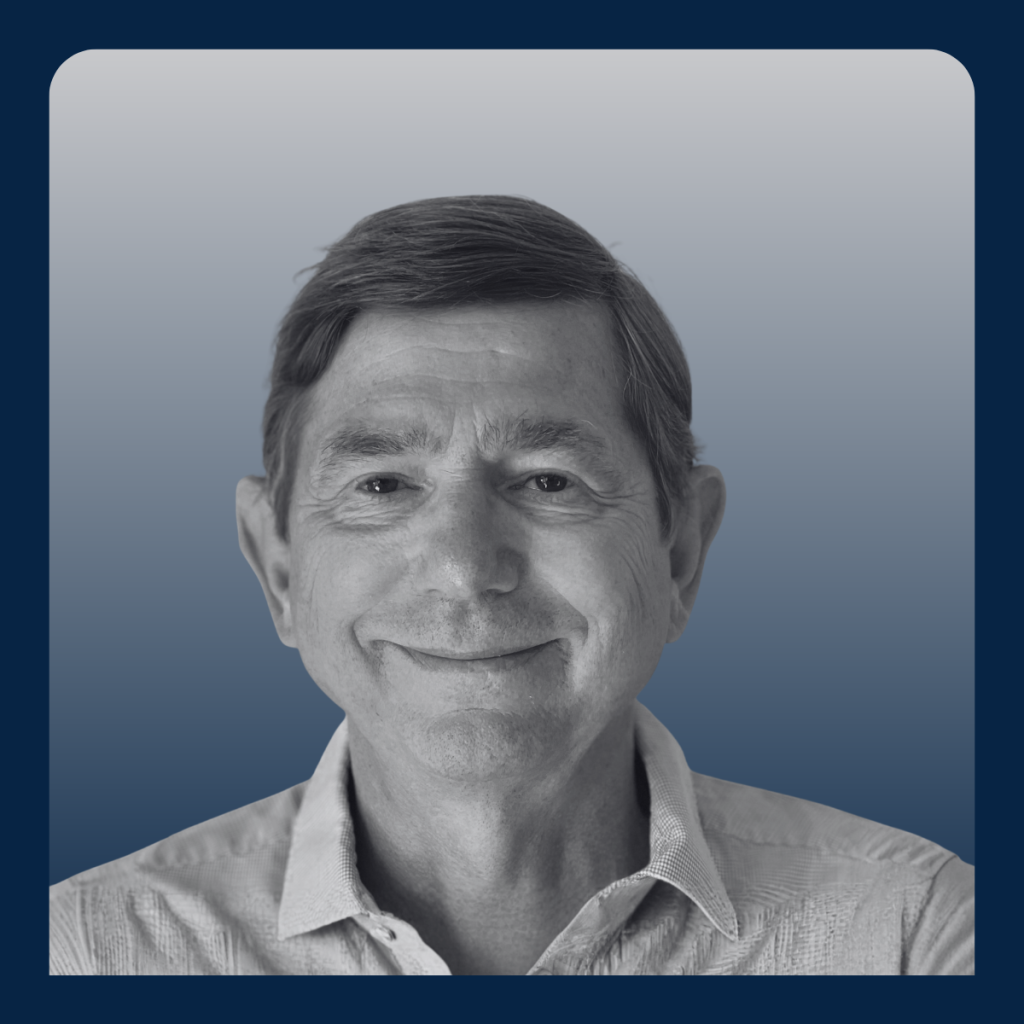
Mark Wauton
CCO and Co-Founder Signigene
Pharmacogenomics in Modern Psychiatric Practice
Pharmacogenomics in Modern Psychiatric Practice
Bio: Mark brings over 25 years of City experience within asset management to Signigene, which he co-founded to apply strategic thinking, risk management, and capital discipline to healthcare innovation. Formerly a MD at UBS Asset Management, he developed expertise in strategic planning, quantitative analysis, and process development. At Signigene, Mark translates these disciplines into commercial strategy, partnerships, and market development within insurance and the Middle East, and is the senior advisor to the Jordanian AI healthcare initiative.
Mark holds an MSc in Investment Analysis from Stirling University and was commissioned from RMA Sandhurst, serving five years in the Royal Armoured Corps.
Synopsis: Psychiatric prescribing is often a journey of trial and error. Pharmacogenomics (PGx) is a way of understanding how a person’s genes affect how they respond to medication, helping clinicians choose treatments that are more likely to work and less likely to cause side effects. This workshop explores how PGx can make prescribing more personalised and effective.
Many patients spend months or even years adjusting doses and trying multiple medications before finding one that works, with up to 30–50% not responding to the first antidepressant prescribed (National Institute for Health and Care Excellence). PGx-guided prescribing has been shown to increase response and remission rates by around 25–30%, helping patients reach an effective treatment faster and reducing the need for repeated medication changes.
Through a case example and group exercises, participants will learn how genetics can influence how people respond to psychiatric medication, how to reduce side effects, and how to improve treatment outcomes. We’ll also look at how PGx is used in depression and anxiety, and how it can be applied in everyday practice.
Attendees will gain an understanding of:
• How PGx can improve how well medication works
• How it can help reduce side effects and failed treatments
• When testing might be helpful
• How to understand PGx reports
• How it fits alongside therapy and clinical judgement
• How personalised treatment can improve patient engagement
Designed for both clinicians and non-clinicians, this workshop is practical, easy to follow, and focused on real-world use.
Join us to learn how PGx can support more personalised mental health care and better outcomes for patients.
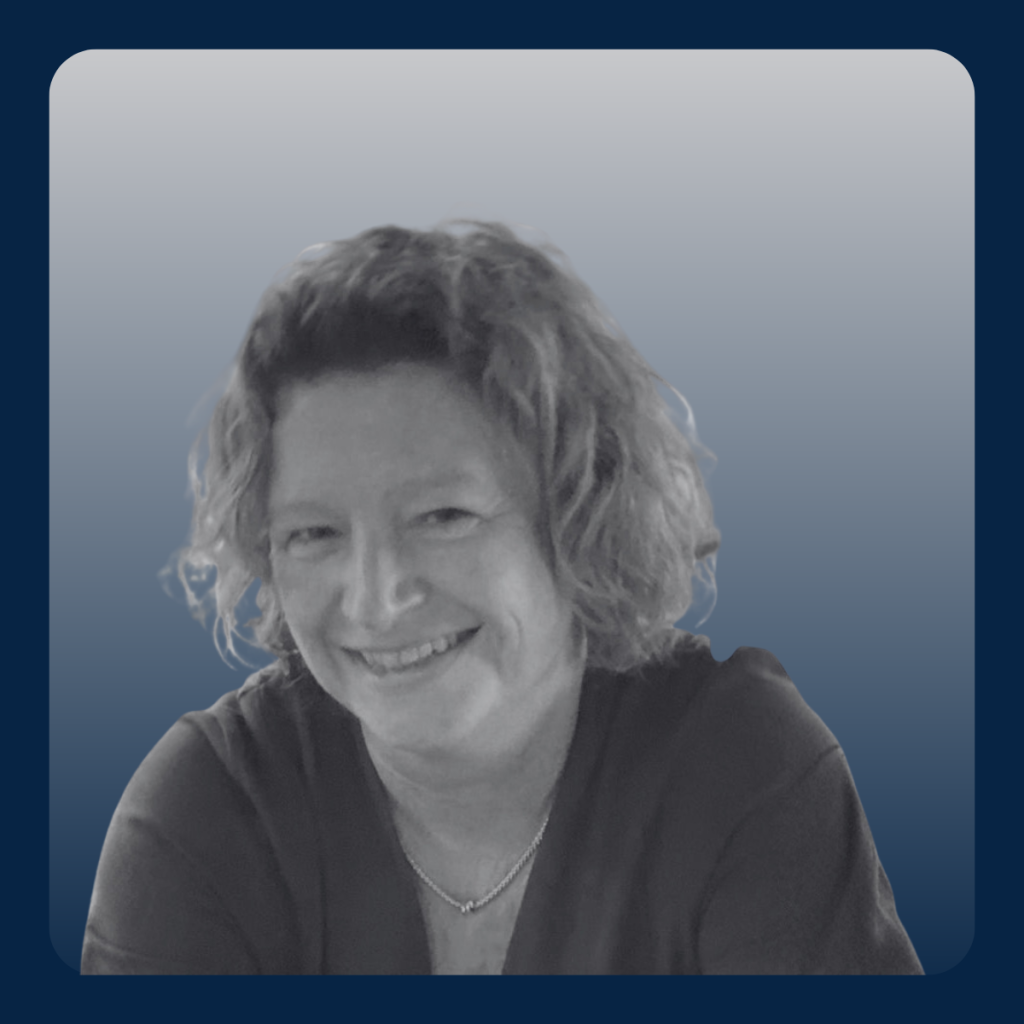
Anne Marieke Ezendam
CEO and Co-founder Signigene
Pharmacogenomics in Modern Psychiatric Practice
Pharmacogenomics in Modern Psychiatric Practice
Bio: Anne Marieke has been a fund manager in the healthcare space for over 25 years. After her university degree in Biology, she worked for Roche and 3M Pharma as a salesrep and started working in the City from 1998 onwards as healthcare portfolio manager for Threadneedle, Credit Suisse and Amundi Asset Management.
Since then, she has become a coach for companies to scale up or raise money, an angel investor and board member. She started her own company Signigene to tackle implementation of pharmacogenomics at a larger scale in 2021 with her 2 co-founders. Her strategic insight and thorough understanding of new trends and their business models across all industries is her biggest strength.
Synopsis: Psychiatric prescribing is often a journey of trial and error. Pharmacogenomics (PGx) is a way of understanding how a person’s genes affect how they respond to medication, helping clinicians choose treatments that are more likely to work and less likely to cause side effects. This workshop explores how PGx can make prescribing more personalised and effective.
Many patients spend months or even years adjusting doses and trying multiple medications before finding one that works, with up to 30–50% not responding to the first antidepressant prescribed (National Institute for Health and Care Excellence). PGx-guided prescribing has been shown to increase response and remission rates by around 25–30%, helping patients reach an effective treatment faster and reducing the need for repeated medication changes.
Through a case example and group exercises, participants will learn how genetics can influence how people respond to psychiatric medication, how to reduce side effects, and how to improve treatment outcomes. We’ll also look at how PGx is used in depression and anxiety, and how it can be applied in everyday practice.
Attendees will gain an understanding of:
• How PGx can improve how well medication works
• How it can help reduce side effects and failed treatments
• When testing might be helpful
• How to understand PGx reports
• How it fits alongside therapy and clinical judgement
• How personalised treatment can improve patient engagement
Designed for both clinicians and non-clinicians, this workshop is practical, easy to follow, and focused on real-world use.
Join us to learn how PGx can support more personalised mental health care and better outcomes for patients.
Mark Wauton
CCO and Co-Founder Signigene
Pharmacogenomics in Modern Psychiatric Practice
Pharmacogenomics in Modern Psychiatric Practice
Bio: Mark brings over 25 years of City experience within asset management to Signigene, which he co-founded to apply strategic thinking, risk management, and capital discipline to healthcare innovation. Formerly a MD at UBS Asset Management, he developed expertise in strategic planning, quantitative analysis, and process development. At Signigene, Mark translates these disciplines into commercial strategy, partnerships, and market development within insurance and the Middle East, and is the senior advisor to the Jordanian AI healthcare initiative.
Mark holds an MSc in Investment Analysis from Stirling University and was commissioned from RMA Sandhurst, serving five years in the Royal Armoured Corps.
Synopsis: Psychiatric prescribing is often a journey of trial and error. Pharmacogenomics (PGx) is a way of understanding how a person’s genes affect how they respond to medication, helping clinicians choose treatments that are more likely to work and less likely to cause side effects. This workshop explores how PGx can make prescribing more personalised and effective.
Many patients spend months or even years adjusting doses and trying multiple medications before finding one that works, with up to 30–50% not responding to the first antidepressant prescribed (National Institute for Health and Care Excellence). PGx-guided prescribing has been shown to increase response and remission rates by around 25–30%, helping patients reach an effective treatment faster and reducing the need for repeated medication changes.
Through a case example and group exercises, participants will learn how genetics can influence how people respond to psychiatric medication, how to reduce side effects, and how to improve treatment outcomes. We’ll also look at how PGx is used in depression and anxiety, and how it can be applied in everyday practice.
Attendees will gain an understanding of:
• How PGx can improve how well medication works
• How it can help reduce side effects and failed treatments
• When testing might be helpful
• How to understand PGx reports
• How it fits alongside therapy and clinical judgement
• How personalised treatment can improve patient engagement
Designed for both clinicians and non-clinicians, this workshop is practical, easy to follow, and focused on real-world use.
Join us to learn how PGx can support more personalised mental health care and better outcomes for patients.
Mark Wauton
CCO and Co-Founder Signigene
Pharmacogenomics in Modern Psychiatric Practice
Pharmacogenomics in Modern Psychiatric Practice
Bio: Mark brings over 25 years of City experience within asset management to Signigene, which he co-founded to apply strategic thinking, risk management, and capital discipline to healthcare innovation. Formerly a MD at UBS Asset Management, he developed expertise in strategic planning, quantitative analysis, and process development. At Signigene, Mark translates these disciplines into commercial strategy, partnerships, and market development within insurance and the Middle East, and is the senior advisor to the Jordanian AI healthcare initiative.
Mark holds an MSc in Investment Analysis from Stirling University and was commissioned from RMA Sandhurst, serving five years in the Royal Armoured Corps.
Synopsis: Psychiatric prescribing is often a journey of trial and error. Pharmacogenomics (PGx) is a way of understanding how a person’s genes affect how they respond to medication, helping clinicians choose treatments that are more likely to work and less likely to cause side effects. This workshop explores how PGx can make prescribing more personalised and effective.
Many patients spend months or even years adjusting doses and trying multiple medications before finding one that works, with up to 30–50% not responding to the first antidepressant prescribed (National Institute for Health and Care Excellence). PGx-guided prescribing has been shown to increase response and remission rates by around 25–30%, helping patients reach an effective treatment faster and reducing the need for repeated medication changes.
Through a case example and group exercises, participants will learn how genetics can influence how people respond to psychiatric medication, how to reduce side effects, and how to improve treatment outcomes. We’ll also look at how PGx is used in depression and anxiety, and how it can be applied in everyday practice.
Attendees will gain an understanding of:
• How PGx can improve how well medication works
• How it can help reduce side effects and failed treatments
• When testing might be helpful
• How to understand PGx reports
• How it fits alongside therapy and clinical judgement
• How personalised treatment can improve patient engagement
Designed for both clinicians and non-clinicians, this workshop is practical, easy to follow, and focused on real-world use.
Join us to learn how PGx can support more personalised mental health care and better outcomes for patients.

Bethany Ashley-Smith
Psychotherapist
Chemsex: The Gallery of Shame
Chemsex: The Gallery of Shame
Bio: Beth Ashley-Smith is a psychotherapist and registered mental health nurse with over 20 years’ experience across NHS and private healthcare services. She specialises in working with ADHD, trauma and addictions, drawing on a background in mental health nursing, addictions therapy, EMDR and ADHD management. Beth also specialise in clinical sexology, extending her therapeutic skills into the relational, emotional and sexual aspects of wellbeing.
Beth runs a private practice where she works holistically with individuals experiencing ADHD, trauma, addictions and related difficulties. Her combined medical and therapeutic training enables her to consider both the psychological and biological aspects of mental health, helping clients manage risk, reduce shame and loneliness and move towards recovery. Where appropriate, she works collaboratively with a wider network of specialists to ensure clients receive the most appropriate medical or therapeutic support.
Synopsis: Chemsex: The Gallery of Shame is a one hour immersive workshop inviting participants to step into the lived experience of chemsex. Through reflection, discussion, and shared experiential work, attendees will explore not just what chemsex is, but what it can feel like from the inside.
The workshop will offer a grounded overview of the drugs involved, why people may be drawn to them, and the risks they carry, while also exploring what lies beneath: shame, trauma, loneliness, disconnection, and the search for intimacy, escape, or belonging. It will focus particularly on the impact within LGBTQ+ communities, especially among gay, bi, and queer men, and men who have sex with men. At its centre is the creation of a gallery of shame, designed to bring participants closer to the hidden emotional world many clients carry into the room. The aim is to move beyond clinical distance and towards deeper understanding, compassion, and hope.
Simon Marks
Therapist
Chemsex: The Gallery of Shame
Chemsex: The Gallery of Shame
Bio: Simon London based therapist in private practice, specialising in addiction, chemsex and healing relational trauma in gay men.
He is a qualified dramatherapist with additional training in the Post Induction Therapy (PIT) model developed by Pia Mellody, which addresses the developmental and relational trauma often underlying codependence and addiction. His clinical work also draws on Internal Family Systems (IFS), Gestalt based inner child work, and experiential group therapy to support men in building healthier relationships with themselves and others. He runs trauma healing workshops and weekend retreats for gay men based on the PIT framework.
Simon strongly believes that process-oriented group work can offer powerful opportunities for gay men to feel seen, validated, empowered, and understood through shared experience and identification with others. He runs the ‘Friday Night Group’, a free monthly community wellbeing and discussion group for gay men that encourages connection, reflection, and mutual support outside traditional therapy settings.
Simon offers workshops and training, including LGBTQ+ Mental Health, Chemsex Recovery, and Healing Childhood Trauma. He is himself in long term recovery and is approaching nineteen years sober from alcohol and drugs, bringing both professional expertise and lived experience to his work.
Synopsis: Chemsex: The Gallery of Shame is a one hour immersive workshop inviting participants to step into the lived experience of chemsex. Through reflection, discussion, and shared experiential work, attendees will explore not just what chemsex is, but what it can feel like from the inside.
The workshop will offer a grounded overview of the drugs involved, why people may be drawn to them, and the risks they carry, while also exploring what lies beneath: shame, trauma, loneliness, disconnection, and the search for intimacy, escape, or belonging. It will focus particularly on the impact within LGBTQ+ communities, especially among gay, bi, and queer men, and men who have sex with men. At its centre is the creation of a gallery of shame, designed to bring participants closer to the hidden emotional world many clients carry into the room. The aim is to move beyond clinical distance and towards deeper understanding, compassion, and hope.
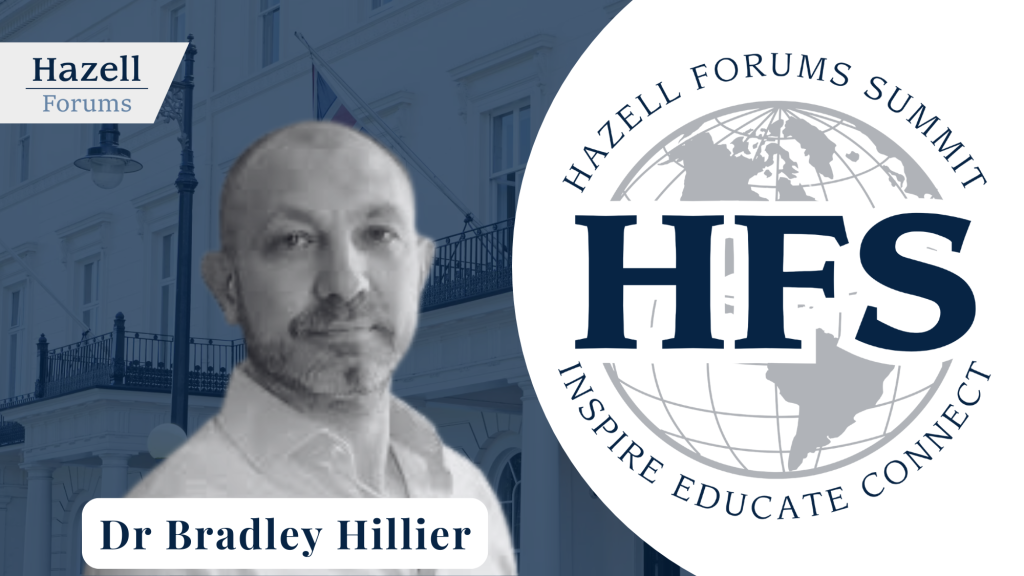
Dr Bradley Hillier
Psychiatrist
Chemsex: The Gallery of Shame
Chemsex: The Gallery of Shame
Bio: Dr Bradley Hillier is an experienced and respected consultant psychiatrist based in London and Jersey, Channel Islands. Dr Hillier has been practising medicine and psychiatry for over 20 years, during which he has developed extensive expertise in the diagnosis and treatment of mental disorders and mental health problems. He has worked both in the UK and internationally, in the NHS, various charitable and international organisations including the UN and CPT, and privately.
Dr Hillier also carries out medicolegal work for the criminal and civil courts.
Dr Hillier completed his medical degrees (BMBCh MA(Oxon)) in 2004 at Trinity College, University of Oxford, and subsequently trained in psychiatry at a number of prestigious institutions including the Maudsley Hospital, Bethlem Royal Hospital, Imperial College London, Chelsea and Westminster Hospitals, University College London Hospital, The Whittington Hospital, and Broadmoor High Secure Psychiatric Hospital, amongst others.
Synopsis: Chemsex: The Gallery of Shame is a one hour immersive workshop inviting participants to step into the lived experience of chemsex. Through reflection, discussion, and shared experiential work, attendees will explore not just what chemsex is, but what it can feel like from the inside.
The workshop will offer a grounded overview of the drugs involved, why people may be drawn to them, and the risks they carry, while also exploring what lies beneath: shame, trauma, loneliness, disconnection, and the search for intimacy, escape, or belonging. It will focus particularly on the impact within LGBTQ+ communities, especially among gay, bi, and queer men, and men who have sex with men. At its centre is the creation of a gallery of shame, designed to bring participants closer to the hidden emotional world many clients carry into the room. The aim is to move beyond clinical distance and towards deeper understanding, compassion, and hope.
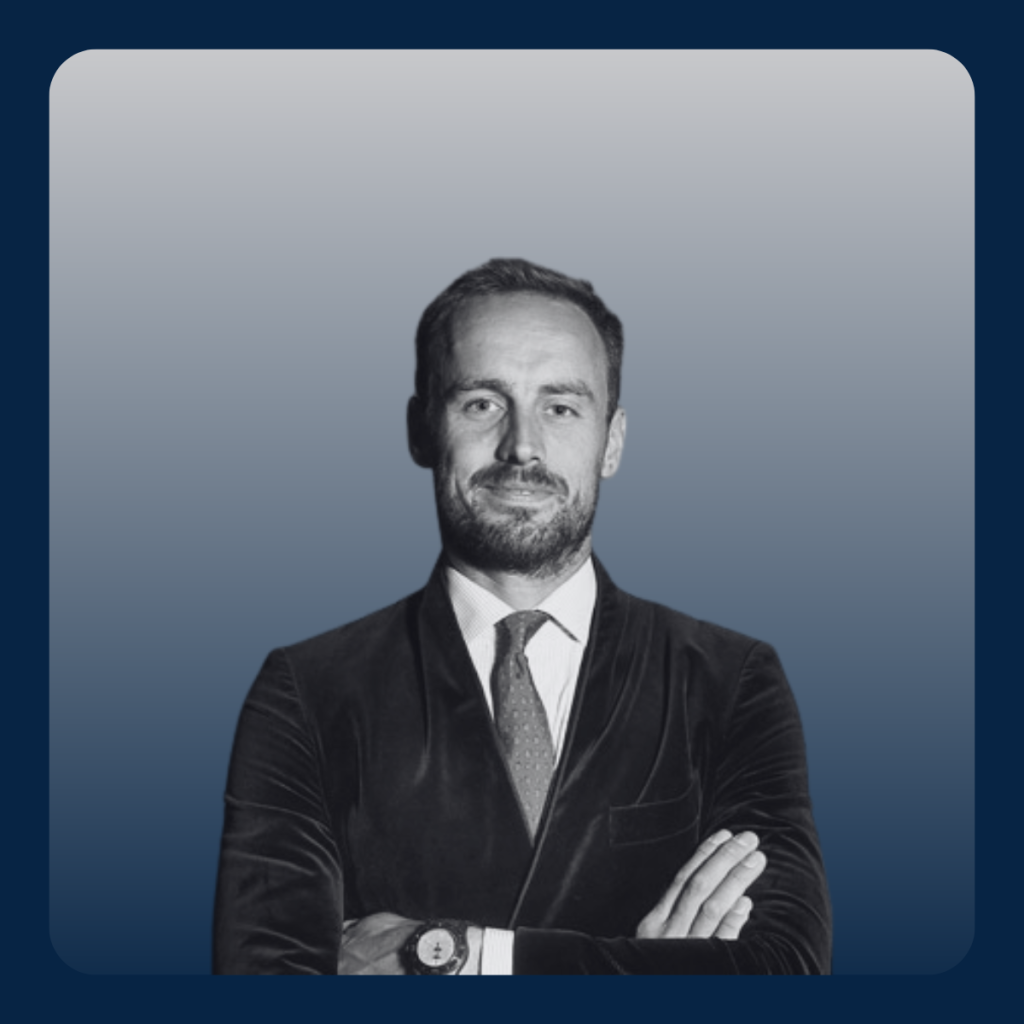
George Bullard
World Record-Breaking Explorer, Endurance Athlete & Motivational Speaker
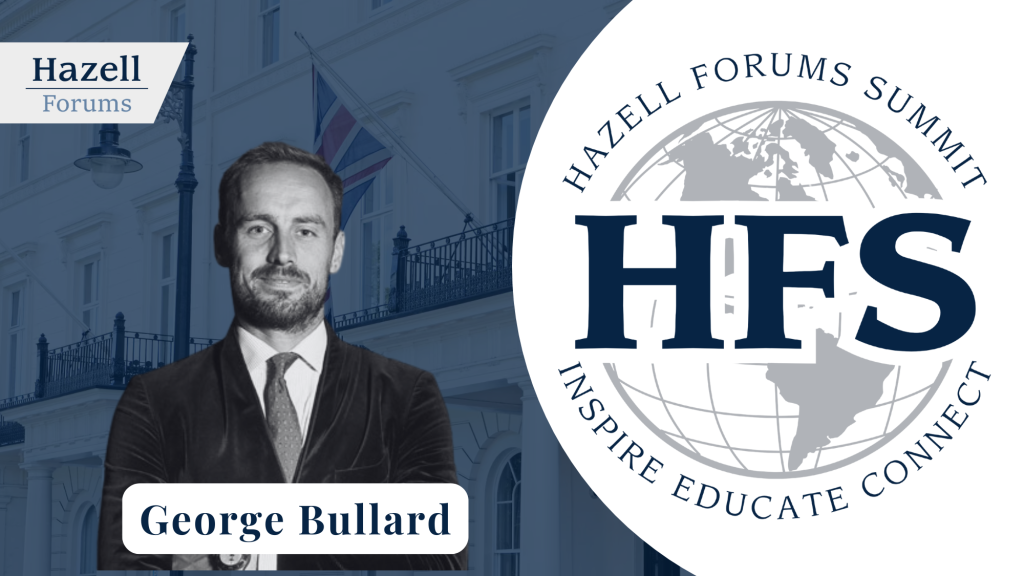
Bio: We are thrilled to announce that world record-breaking explorer, endurance athlete & motivational speaker George Bullard will be joining us at the Hazell Forums Summit 2026.
From completing the longest unsupported polar journey in history at just 19 years old, to kayaking 1,200 miles across the North Atlantic from Greenland to Scotland, leading expeditions through the Arctic, and taking on some of the world’s most extreme environments, George has spent his life exploring what happens when humans are pushed to their limits.
Some of George’s extraordinary expeditions include:
The longest unsupported polar journey in history by a teenager
Kayaking 1,200 miles across the North Atlantic from Greenland to Scotland
Crossing vast Arctic wildernesses in extreme sub-zero conditions
Expeditions across Greenland and remote polar regions
High-altitude mountaineering and endurance challenges
Leading teams through some of the harshest and most isolated environments on Earth
But beyond the endurance, George’s work is rooted in something deeper: connection.
‘Connection in times of change’ is the theme of this year’s summit.
Through isolation, adversity, teamwork, and survival, his experiences reveal why our connection to nature, to purpose, and to one another is often the difference between breaking down and breaking through.
His keynote talk will explore resilience, human psychology, leadership, and the profound role connection plays in navigating challenge and change.
This is a session you will not want to miss.


Panel: “High Stakes: The Cannabis Legalisation Debate”
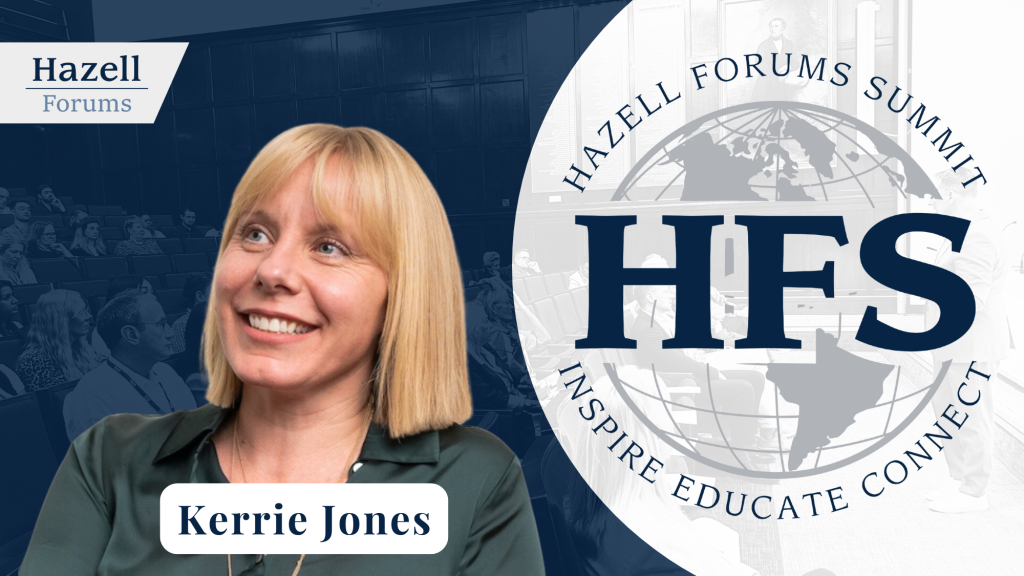
"The Psychological Impact of Weight-Loss Drugs on Mental Health and Eating Disorders"
Bio: Kerrie Jones is the Founder and CEO of Orri, one of the UK’s leading specialist treatment centers for eating disorders. A highly respected psychotherapist and clinical leader, Kerrie has spent over 20 years working with individuals struggling with eating disorders, trauma, and mental health challenges. Before founding Orri, Kerrie was the Clinical Lead for a prominent eating disorder service and a lecturer on the MSc in Attachment Studies at Roehampton University. She has trained clinicians across the UK on the intersection between attachment theory, trauma, and eating disorders, pioneering a holistic approach that addresses the root causes of disordered eating.
Synopsis: At Hazell Forums Summit 2025, Kerrie will join Johann Hari in a fireside chat, bringing a clinical perspective to the conversation on weight-loss drugs, exploring their impact on those in recovery and what healthcare professionals need to know about their psychological effects.
As cannabis legislation evolves in the UK and globally, frontline services are already grappling with the mental health consequences. This panel takes a grounded, cross-sector look at what legalisation could mean for clinical care, families, and future generations.
We’ll explore the rising potency of cannabis products, the links between early use and serious mental health conditions like psychosis, and how services can better respond as cannabis-related comorbidities shift from adolescent to adult care.
Alongside leading clinicians and policymakers, we’ll hear from lived experience advocates who have witnessed the impact first-hand. Expect open, evidence-based discussion on risk, treatment, and the real dilemmas clinicians face as medical and legal frameworks shift.
This is not just a conversation about law, it's about care, caution, and what’s truly at stake.

Speaker TBC Ketamine & Synthetic Opioids: A Dual Crisis
"Connecting the Bridge Between the Public and Private Sector"
Bio: Professor David Best has an under-graduate degree in psychology with philosophy, a Masters degree in criminology and a PhD in the psychology of addictions. He has authored three books on addiction recovery and has written more than 170 peer-reviewed publications and around 70 book chapters and technical reports. Previous employers include the University of Derby, Sheffield Hallam University, Monash University, Melbourne, the Institute of Psychiatry (Kings College London), Strathclyde University, Birmingham University, the National Treatment Agency and the Prime Minister’s Delivery Unit.
Synopsis: Coming soon!
The UK is seeing a troubling rise in the misuse of ketamine and synthetic opioids, two drug trends with vastly different profiles but equally serious consequences for mental health and addiction treatment.
This panel brings together clinicians, researchers, and frontline providers to unpack the dual crisis unfolding across services. From ketamine’s growing presence in youth party scenes and its link to long-term cognitive and bladder damage, to the deadly grip of fentanyl analogues and new synthetic opioids quietly entering the UK, this conversation is urgent.
We’ll explore how treatment providers are adapting, the blurred lines between therapeutic use and dependency, and what needs to change in education, clinical response, and public health messaging.
Expect honest dialogue, real data, and critical discussion on what safe, effective care looks like in the face of rapidly shifting drug landscapes.

Speaker TBC: “AI: Friend, Foe, or Tool?”
"UK Mental Health Sector Reflections"
Bio: As the Director of Hazell Forums, Nick brings over 15 years of experience driving strategic growth and development in the private mental healthcare sector. Known for his decisive, people-focused approach, Nick combines insights from industry trends with hands-on experience to support and inspire mental health professionals. In this session, he’ll reflect on key developments over the past year, offering a unique perspective on emerging opportunities and challenges facing the sector.
Synopsis: coming soon!
Artificial intelligence is already changing how we diagnose, treat, and manage mental health and addiction but are we ready for what’s next?
This panel tackles the promises and pitfalls of AI across clinical care, service delivery, and the therapeutic relationship. From automated assessments and personalised treatment plans to data privacy, ethical risks, and the human impact of replacing care with code, this is a conversation we need to be having now.
We’ll hear from clinicians using AI in practice, technologists building the tools, and voices calling for caution. Is AI helping us reach more people, or risking connection and trust in care?
This session will explore where AI is truly useful, where it might be dangerous, and how we ensure tech enhances rather than replaces human-led care.

Speaker TBC: “Step Inside the Mind: Exploring VR in Treatment”
"UK Mental Health Sector Reflections"
Bio: As the Director of Hazell Forums, Nick brings over 15 years of experience driving strategic growth and development in the private mental healthcare sector. Known for his decisive, people-focused approach, Nick combines insights from industry trends with hands-on experience to support and inspire mental health professionals. In this session, he’ll reflect on key developments over the past year, offering a unique perspective on emerging opportunities and challenges facing the sector.
Synopsis: coming soon!
Virtual reality is no longer just for gaming, it's becoming a powerful tool in mental health and addiction treatment. But how does it actually work in practice?
This session will explore the growing use of VR in therapy, from exposure and trauma treatment to relapse prevention and emotional regulation. We'll look at early findings, real-world case studies, and the ethical questions still being debated.
As immersive technologies become more accessible, what are the opportunities and the limits of stepping inside the mind? Whether you’re curious, cautious, or already using VR, this is your chance to engage with one of the most talked-about tools in the field.

Speaker TBC: “The Smart Body: How Wearables Are Changing Care”
"UK Mental Health Sector Reflections"
Bio: As the Director of Hazell Forums, Nick brings over 15 years of experience driving strategic growth and development in the private mental healthcare sector. Known for his decisive, people-focused approach, Nick combines insights from industry trends with hands-on experience to support and inspire mental health professionals. In this session, he’ll reflect on key developments over the past year, offering a unique perspective on emerging opportunities and challenges facing the sector.
Synopsis: coming soon!
From sleep trackers to heart rate monitors, wearables are no longer just fitness gadgets, they’re becoming part of the clinical toolkit.
This session explores how data from wearable devices is being used to inform treatment plans, support relapse prevention, and offer real-time insights into patient wellbeing. We'll look at what’s working, where the ethical boundaries lie, and how wearable tech is reshaping the patient–clinician relationship.
A must for those curious about the future of personalised, data-driven care.

Speaker TBC: Trauma on the Stand: A Live Legal Session
"UK Mental Health Sector Reflections"
Bio: As the Director of Hazell Forums, Nick brings over 15 years of experience driving strategic growth and development in the private mental healthcare sector. Known for his decisive, people-focused approach, Nick combines insights from industry trends with hands-on experience to support and inspire mental health professionals. In this session, he’ll reflect on key developments over the past year, offering a unique perspective on emerging opportunities and challenges facing the sector.
Synopsis: coming soon!
What happens when trauma enters the courtroom?
In this live legal session, we’ll walk through a real-world case example where trauma played a central role in legal proceedings. From expert witness testimony to clinical evidence and courtroom dynamics, the session will explore how mental health professionals and legal teams interact and sometimes clash when trauma is under scrutiny.
Expect a dynamic, thought-provoking session that brings clinical and legal perspectives face to face.

Panel: “Culture & Trauma: What Are We Still Missing?”
"UK Mental Health Sector Reflections"
Bio: As the Director of Hazell Forums, Nick brings over 15 years of experience driving strategic growth and development in the private mental healthcare sector. Known for his decisive, people-focused approach, Nick combines insights from industry trends with hands-on experience to support and inspire mental health professionals. In this session, he’ll reflect on key developments over the past year, offering a unique perspective on emerging opportunities and challenges facing the sector.
Synopsis: coming soon!
Moderated by Markkus Trew
Culture shapes how trauma is experienced, expressed, and treated, but too often, it’s still left out of the conversation. This panel will explore the role of cultural context in trauma care, from how different communities interpret psychological distress to the impact of systemic inequalities on trauma exposure and access to treatment.
Bringing together voices from clinical, lived experience, and community-based perspectives, we’ll ask: How do race, gender, class, and identity intersect with trauma? What blind spots remain in mainstream treatment models? And how can services become more culturally responsive, without reducing people’s experiences to checkboxes?
Expect a candid, thought-provoking discussion on what inclusive trauma care really looks like and how we start moving toward it.

Speaker TBC “Influence & Image: Understanding Modern Youth Struggles”
"VR in Mental Health & Addictions - Are We There Yet?"
Bio: Dr Sundeep Chohan is a graduate of UCL Medical School and holds a BSc in Neuroscience as well as Masters in Object Oriented Software Systems. He is a Physician Psychotherapist as well as GP with a Specialist interest in Addiction Medicine, Mental Health, Military Medicine and emerging technologies. He has worked with both the UK military and Canadian Armed Forces and remains a Consultant to CAF’s NS Operational Stress Injury unit where his expertise is in the use of evolving technologies in the treatment of PTSD, Mental Health and Addictions.
Synopsis: In this presentation, Sundeep will explore using virtual reality [VR] with associated biofeedback tools to assist traditional treatments of a variety of mental health conditions. The talk will begin with an interesting overview of the history and research behind VR and where we are today. This technology has been extensively used by the US military for decades and after many false dawns, the technology has started making its way into everyday therapy. He will guide the audience through a VR treatment session and demonstrate the practical nature of the technology. Dr Chohan has used VR in a wide variety of setting for the last several years including with homeless clients at the frontlines of the North American opioid crisis, military veterans, those impacted by mass shootings as well as treating anxiety, phobias and nightmare disorder. Real life care studies will be presented to illustrate the effectiveness of using this technology in clinical settings. The session will conclude with an overview of the next wave of technologies that will impact VR and how it can affect your practice. In a world of rapid technological change, clients are becoming more aware of emerging technologies and platforms, and looking for these to be integrated into their treatment journey – this session will demonstrate how this can be quickly and easily implemented into your practice in a cost effective manner.
You will learn:
- The history and research around VR and where we are heading.
- The practical aspects of using VR and how a typical treatment session can be undertaken.
- How to apply VR for a range of clients through real-life care studies demonstrating the effectiveness of this technology in clinical settings and discussion around the challenges and opportunities in implementing VR in your practice.
From TikTok to body image, online validation to identity confusion, today’s young people are navigating pressures unlike any generation before.
This session explores how social media, digital culture, and shifting societal norms are shaping the mental health of adolescents. We’ll unpack how these influences show up in therapy rooms and treatment settings, and what professionals need to understand to meet young clients where they are.
Speakers TBA
Title
Panel: "The Ethics of Referral Fees"
"Connecting the Bridge Between the Public and Private Sector"
Bio: Professor David Best has an under-graduate degree in psychology with philosophy, a Masters degree in criminology and a PhD in the psychology of addictions. He has authored three books on addiction recovery and has written more than 170 peer-reviewed publications and around 70 book chapters and technical reports. Previous employers include the University of Derby, Sheffield Hallam University, Monash University, Melbourne, the Institute of Psychiatry (Kings College London), Strathclyde University, Birmingham University, the National Treatment Agency and the Prime Minister’s Delivery Unit.
Synopsis coming soon!
2026 Workshops
Our workshops about providing a space for practical learning, in an intimate setting. This year we are going to provide case studies, immersion into subjects, provide opportunities to share your views, learn new strategies, and challenge assumptions.
Thursday Workshops:
08:00-08:45- 12 Step Meeting
Start the day in reflection and connection. This open 12-step meeting offers a quiet space for attendees in recovery or those curious about 12-step programs to gather, share, and ground themselves before the Summit begins. Whether you’re working a program or simply looking for a moment of calm and honesty, all are welcome.
Morning Workshops– Addiction focused.
09:00-10:00- Topic TBC
10:00-11:00- Topic TBC
11:00-12:00-Topic TBC
Afternoon Sessions: Business Development
Hear from the experts on practical advice, training on all areas of business development, from marketing, social media to networking.
13:00-14:00- Business Development Workshop- Speaker TBC
This practical, no-fluff session is for anyone building or scaling services in the private sector, whether you run a clinic, offer specialist support, or work in an adjacent field. We’ll dig into what’s working (and what’s not) when it comes to outreach, patient pathways, partnerships, and sustainable growth. Expect real talk, useful tools, and a chance to swap insights with others navigating the same challenges.
14:00-15:00-Marketing Workshop
In a space as sensitive and important as mental health and addiction, marketing isn’t just about visibility, it’s about trust, ethics, and clarity. This session is for anyone trying to communicate their services better, whether you’re a solo practitioner or part of a growing clinic. We’ll cover brand positioning, content strategy, patient engagement, and how to market with purpose without losing your soul (or breaching regulations).
15:00-16:00 -Social Media-Speaker TBC
In the world of mental health and addiction, social media is more than just a broadcasting tool—it’s a conversation. This session is for anyone looking to build genuine connections online while navigating risks and responsibilities. We’ll explore effective content creation, community management, safeguarding privacy, and strategies for handling both support and criticism. Walk away with practical tips for using social platforms to inform, inspire, and engage—without compromising ethics or credibility
Friday Workshops
08:00-09:00- 12 Step Meeting
Start the day in reflection and connection. This open 12-step meeting offers a quiet space for attendees in recovery or those curious about 12-step programs to gather, share, and ground themselves before the Summit begins. Whether you’re working a program or simply looking for a moment of calm and honesty, all are welcome
Morning Sessions: Technology
09:00-10:00- VR Workshop-Speaker TBC
10:00-11:00- AI Workshop-Speaker TBC
11:00-12:00- Technology Workshop-Speaker TBC
Afternoon Sessions: Trauma
13:00-14:00 – Topic TBC
14:00-15:00-Topic TBC
15:00-16:00-Topic TBC
Lorem ipsum dolor sit amet, consectetur adipiscing elit. Ut elit tellus, luctus nec ullamcorper mattis, pulvinar dapibus leo.
Lorem ipsum dolor sit amet, consectetur adipiscing elit. Ut elit tellus, luctus nec ullamcorper mattis, pulvinar dapibus leo.
TICKETS
We offer a discount to charities, pease contact george@hazellpartners.com to more information